Educational content only — not medical advice. For rashes, burns, moles that change, or skin disease, see a dermatologist or licensed clinician.
Why everyday SPF is the habit that matters most
Ultraviolet light is the leading preventable driver of photoaging — brown spots, fine lines, and loss of firmness — and it’s also the main risk factor for skin cancers. That is why dermatology organizations put broad-spectrum sunscreen at the top of daily skin-health advice, not as a “beach product.”
“Everyday” means most mornings: commuting, walking the dog, sitting near a window, or working outdoors. UVA (the aging and deeper-penetrating rays) is present year-round and through glass more than people expect. SPF is not a substitute for shade, hats, and clothing — it’s the layer you control on exposed skin.
BambooTide rule of thumb
If you only change one product habit this year, make it a sunscreen you’ll actually wear.
Consistency beats “perfect” formulas you abandon because they pill, sting, or feel greasy.
How much to use (most people use too little)
SPF numbers assume a standard application thickness used in testing. Using a thin smear can cut protection dramatically. The American Academy of Dermatology recommends about one ounce (a shot glass) for the whole body when mostly uncovered, and about ½ teaspoon for the face and neck as a practical face amount.
- Face + neck: ~½ teaspoon (or two-finger lengths of cream as a rough visual guide)
- Ears, hairline, hands: easy to miss — include them
- Lips: SPF lip balm if you’ll be outside
- Chest & décolletage: age shows early here under open shirts
Source: AAD — How to apply sunscreen
When to reapply
For outdoor time, reapply at least every two hours, and sooner after swimming, heavy sweating, or towel drying — even if the bottle says water resistant. Water resistance is time-limited; it is not waterproof.
Office-only days: one thorough morning application is often enough if you stay indoors. Still reapply if you walk at lunch, sit by a sunny window for long stretches, or drive with sun on one side of your face for hours.
Sources: AAD application & reapplication · Skin Cancer Foundation — Sunscreen
Mineral vs chemical — what we look for
Mineral (physical) filters like zinc oxide and titanium dioxide sit on skin and scatter/reflect UV. Many sensitive and acne-prone users prefer them. Chemical (organic) filters absorb UV energy; modern formulas can feel lighter but some people find certain filters irritating.
For BambooTide’s beauty edit, we prioritize:
- Broad spectrum (UVA + UVB) — labeled on the bottle
- SPF 30+ for everyday; higher SPF helps if you under-apply (still apply enough)
- Wearability — oil-free or non-greasy finish so you’ll use it daily
- Sensitive-skin tolerance — fewer excuses to skip
The FDA requires “broad spectrum” labeling standards for products that protect against UVA and UVB when labeled as such. Read the Drug Facts panel; ignore marketing that isn’t on the label.
Source: FDA — Sunscreen: How to Help Protect Your Skin from the Sun
A simple morning stack (SPF is last on the face)
Gentle cleanse (if needed)
Water or a mild cleanser — don’t strip the barrier before sun protection.
Light moisturizer
Thin layer if skin is dry. Let it settle so SPF doesn’t pill.
SPF — full amount
Last leave-on step on the face before makeup. Wait a minute, then foundation if you wear it.
Evening: cleanse well
Remove SPF, sweat, and pollution. Reusable pads help cut disposable cotton waste.
BambooTide product picks — why we chose them
We don’t list every sunscreen on the market. These are the pieces that match our filter: daily wearability, barrier respect, and clear UV protection. Links go to our Beauty collection (Amazon Associate — we earn from qualifying purchases; 10% of net proceeds support ocean cleanup).
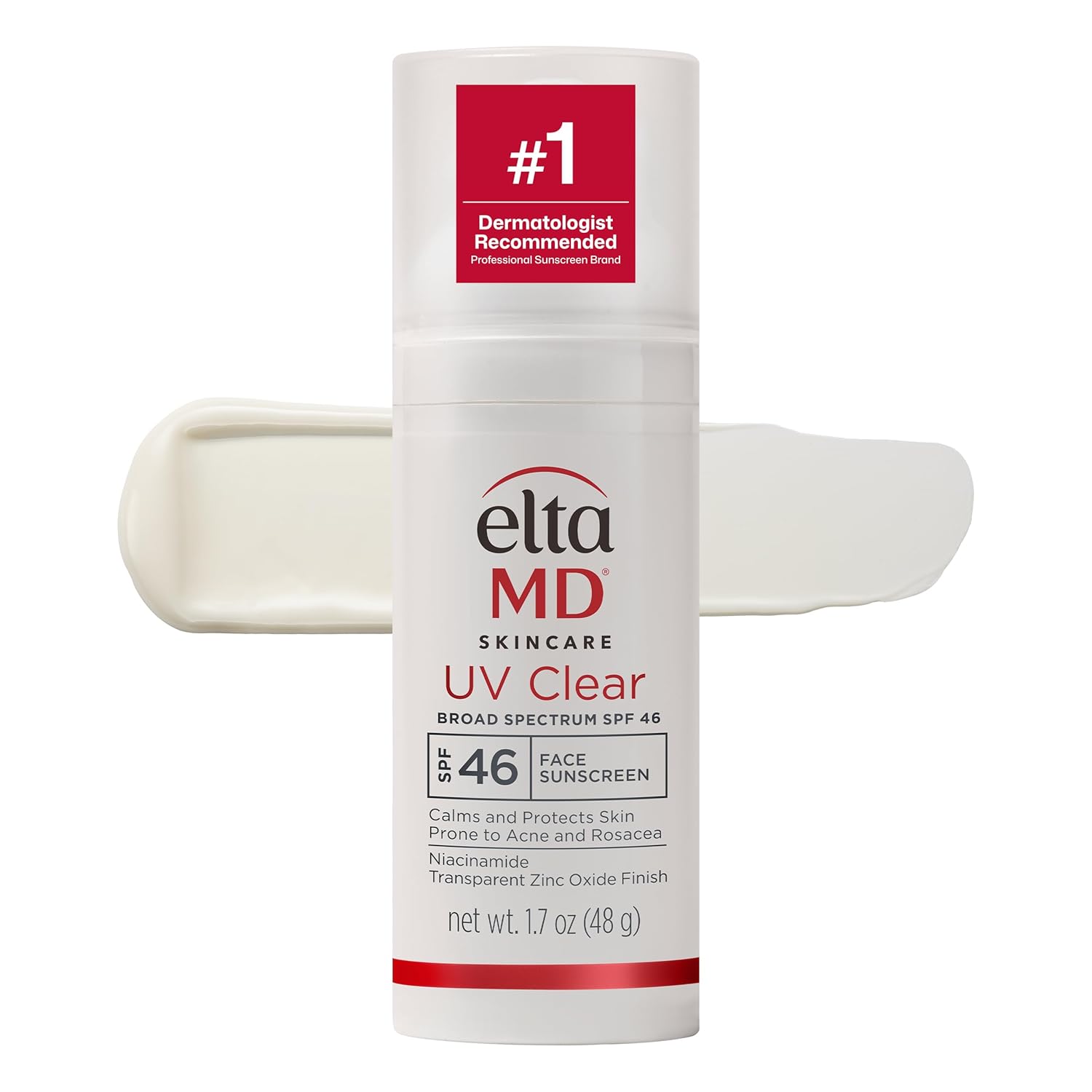
EltaMD UV Clear Face Sunscreen SPF 46
Oil-free, zinc oxide mineral sunscreen designed for sensitive and acne-prone skin. Lightweight enough for weekday wear under makeup or alone.
Why we chose it
- ✓ Broad-spectrum mineral filter — supports the “use enough, every day” habit
- ✓ Non-greasy finish — fewer reasons to skip on humid or oily days
- ✓ Sensitive-skin positioning — aligns with our barrier-first philosophy
- ✓ Anti-aging priority — UV protection is the #1 photoaging intervention we stand behind
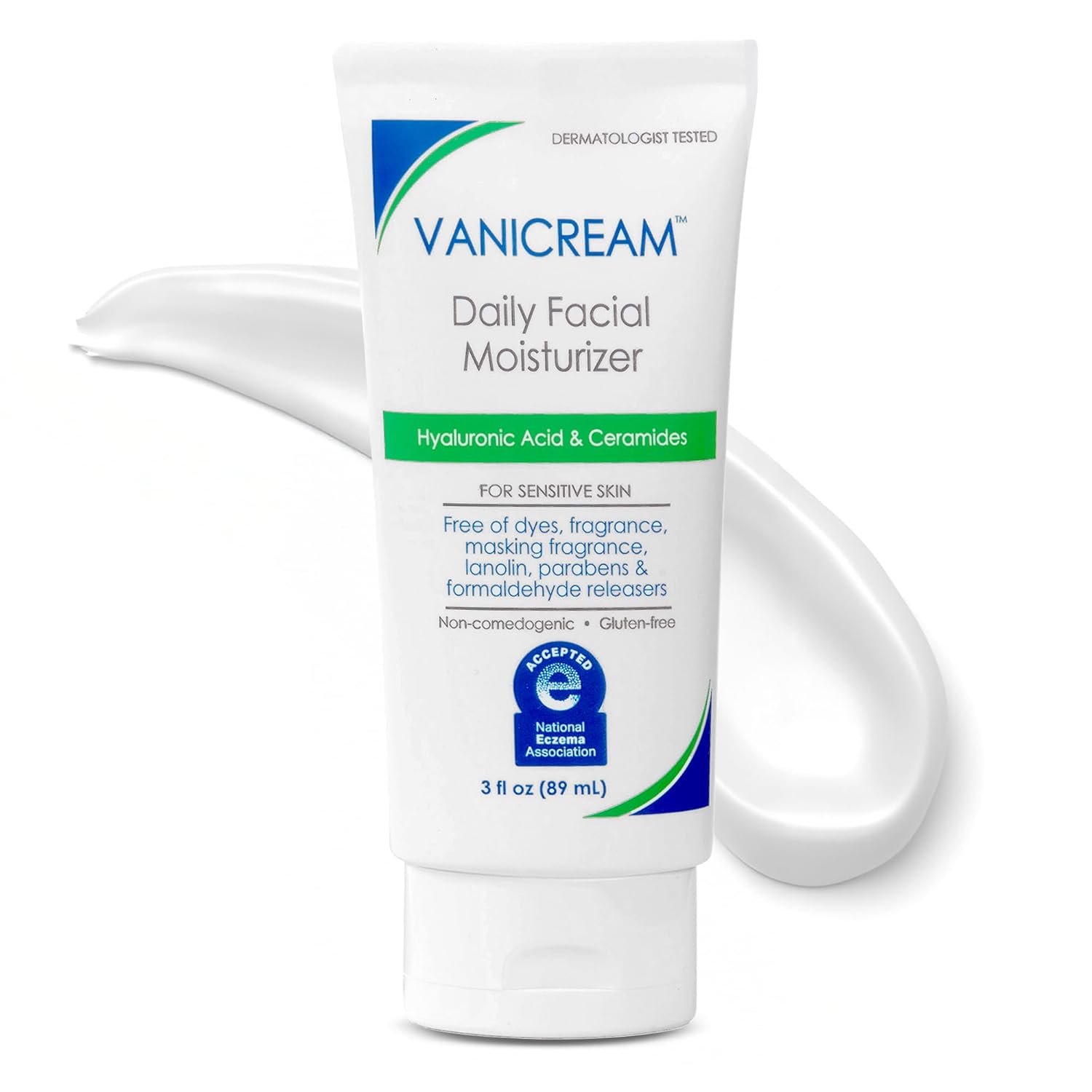
Vanicream Daily Facial Moisturizer
Fragrance-free cream with ceramides and hyaluronic acid. A calm base so sunscreen sits on a comfortable barrier — not on dry, irritated skin.
Why we chose it
- ✓ Low-irritant formula — fewer conflicts under mineral SPF
- ✓ Ceramides support barrier lipids that keep skin resilient
- ✓ Affordable daily layer — SPF is the spend priority
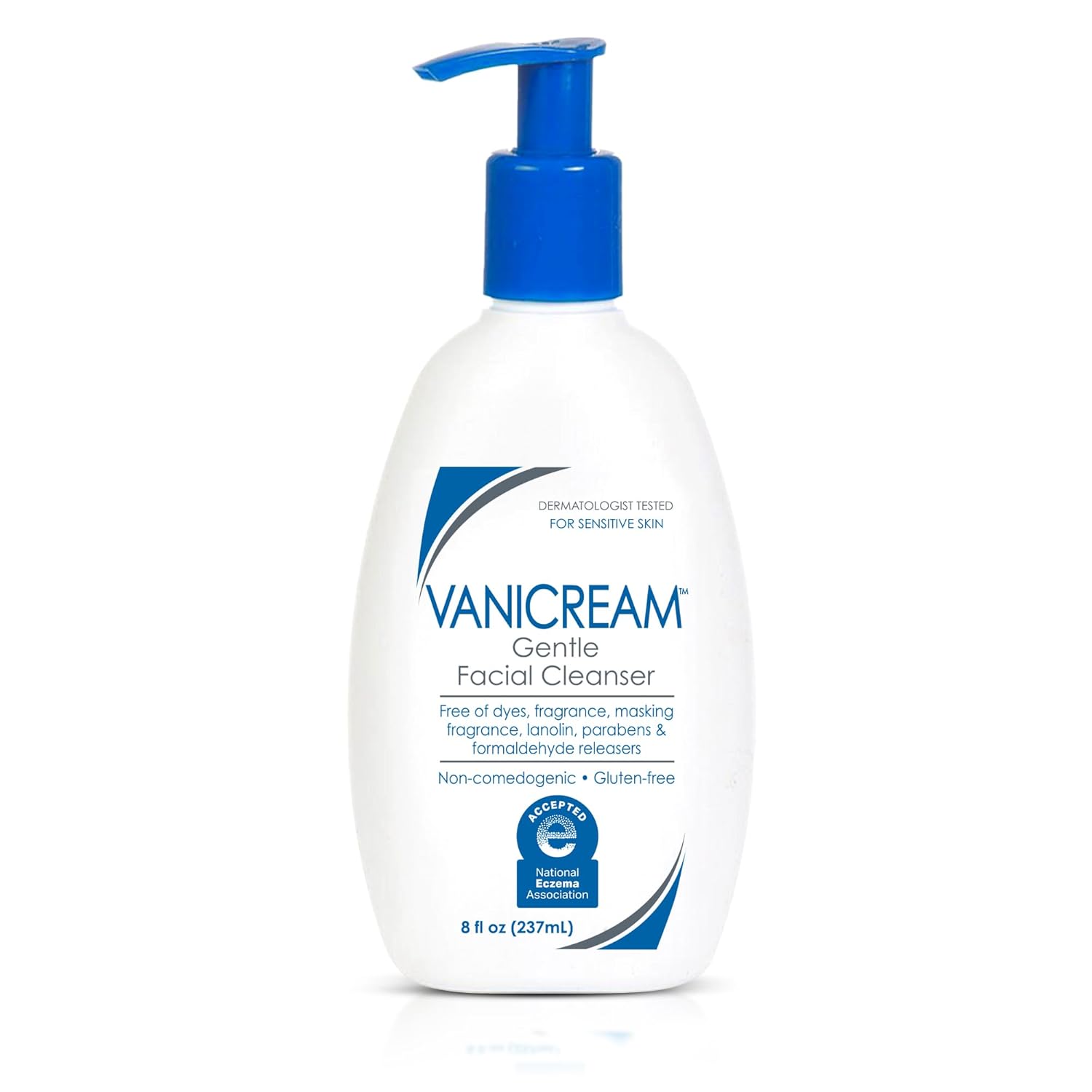
Vanicream Gentle Facial Cleanser
Gentle, non-stripping cleanse to remove the day’s SPF, sweat, and pollution without undoing your barrier work.
Why we chose it
- ✓ Built for sensitive skin — good after mineral sunscreen days
- ✓ Supports the “cleanse well at night” half of everyday SPF
- ✓ Matches our fewer-irritants standard
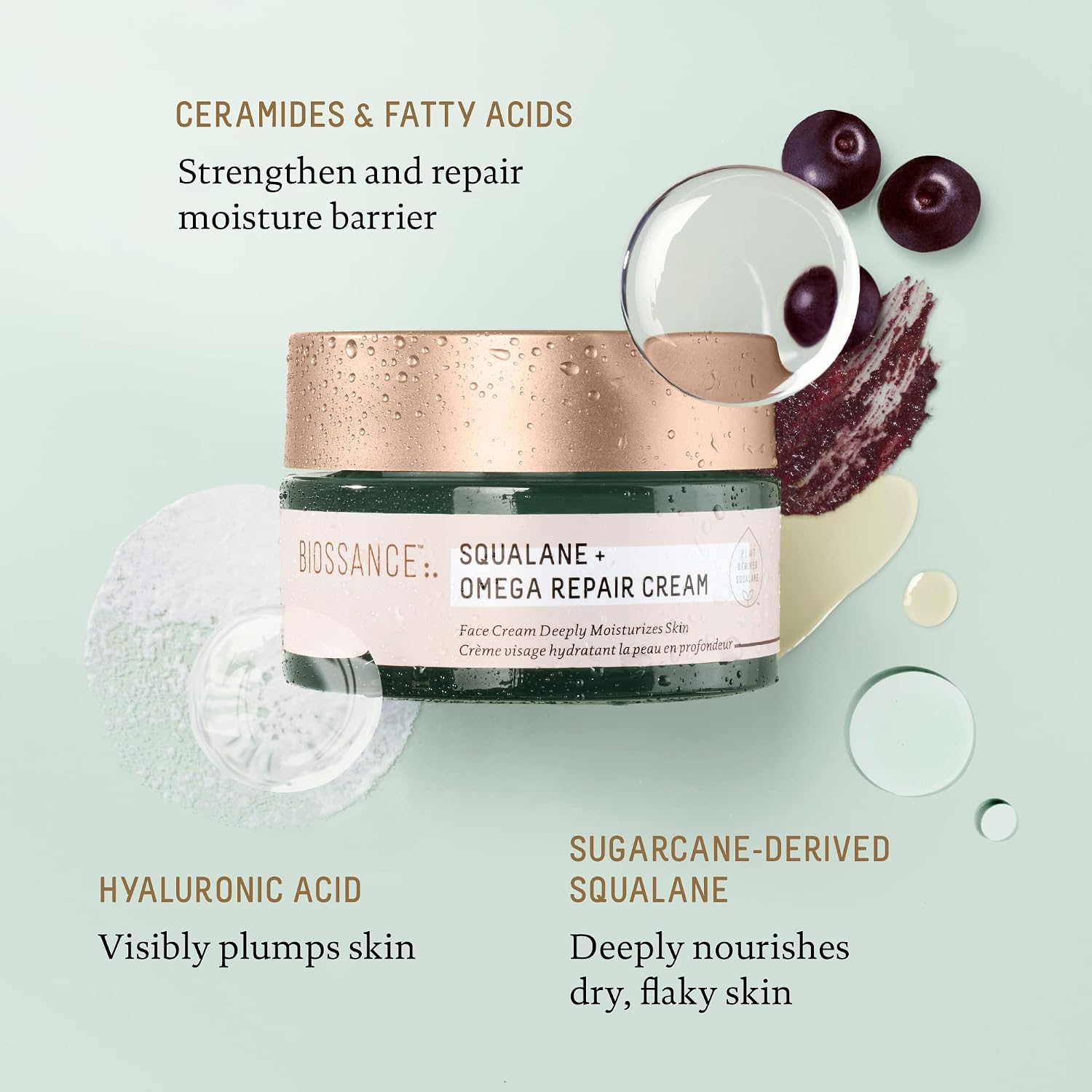
Biossance Squalane + Omega Repair Cream
Night repair with squalane, omegas, ceramides, and HA — for when skin feels dry after a full day of sun protection and cleansing.
Why we chose it
- ✓ Barrier lipids after daytime UV + cleanse stress
- ✓ Plant-based squalane — fits our materials filter
- ✓ Complements (doesn’t replace) morning SPF
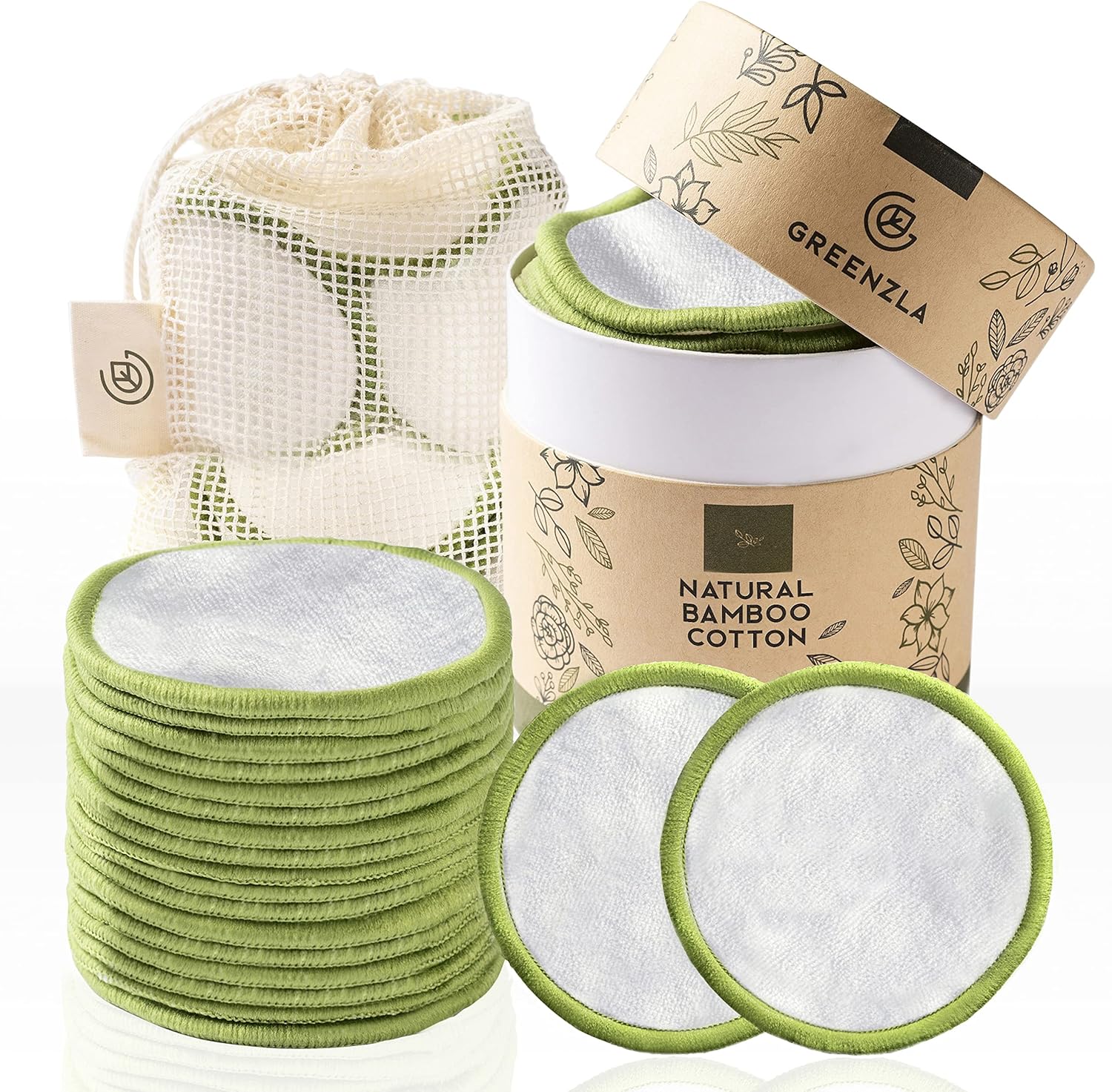
Greenzla Reusable Makeup Remover Pads
Soft reusable pads for PM cleanse — less disposable cotton when you’re thoroughly removing SPF and makeup.
Why we chose it
- ✓ Supports thorough cleanse without single-use waste
- ✓ Fits BambooTide’s plastic-light bathroom systems
- ✓ Washable — one set replaces stacks of cotton rounds
Common mistakes
- × A pea-sized dab of SPF for the whole face
- × Skipping cloudy days or “I’m mostly inside”
- × Counting makeup SPF as your only sunscreen (usually under-applied)
- × Never reapplying on outdoor days
- × Sleeping in sunscreen — always cleanse at night
- × Buying a “natural” bottle that isn’t broad spectrum SPF 30+
Pair this with the humid-climate routine
If you live where heat and sweat make heavy creams impossible, use this SPF guide for protection basics, then our anti-aging humidity guide for full morning/night steps.
Anti-aging routine for humid climatesSources & further resources
We cite these so you can verify. This guide is educational — not medical advice.
American Academy of Dermatology (AAD)
How much sunscreen to apply, reapplication, and anti-aging sun protection basics.
aad.org — How to apply sunscreen · aad.org — Sun protection · aad.org — Anti-aging skin careSkin Cancer Foundation
Public education on UV, sunscreen, and skin cancer prevention.
skincancer.org — SunscreenU.S. Food & Drug Administration (FDA)
OTC sunscreen labeling, broad spectrum, and consumer sun-protection guidance.
fda.gov — Sunscreen consumer infoAdditional reading
- PubMed — search “photoaging sunscreen” / “ultraviolet photoaging” for primary literature
- BambooTide — Anti-aging humid climate guide (related routine, more sources)
BambooTide is not a medical provider. Product links may be affiliate links; as an Amazon Associate we earn from qualifying purchases. 10% of net proceeds support ocean cleanup. Routines are general education for adults — personalize with a licensed clinician, especially if pregnant, using prescriptions, or treating disease.